
Vietnam Tightens Port Controls and Seafood Traceability to Combat IUU Fishing
Vietnam is stepping up efforts to combat illegal, unreported, and unregulated (IUU) fishing, with stricter controls on fishing vessels, seafood landings, catch documentation, and product traceability. The latest measures in Ca Mau Province highlight the importance of verifying seafood origin and ensuring that fishing and landing records are consistent across management systems.
On October 16, 2026, Ca Mau authorities issued an urgent directive requiring relevant agencies and coastal localities to address outstanding issues in IUU fishing prevention. The measures focus on fleet management, port landing controls, origin verification, and strict action against fraudulent documentation and attempts to legitimize illegally caught seafood. (Source: Vietnam Industry and Trade Review)
Strengthening Fishing Vessel Management and Data Accuracy
A key priority is improving the accuracy and consistency of fishing vessel information across Vietnam’s national fisheries database (VNFishbase), vessel monitoring system (VMS), and electronic catch documentation and traceability system (eCDT).
Authorities are required to review vessel registration, fishing licences, operating status, and supporting records to identify missing information or discrepancies. Cases involving expired licences, incomplete records, or inconsistent vessel data must be addressed in accordance with applicable regulations.
Better data coordination allows authorities to assess whether fishing vessels are legally authorized to operate and whether their reported activities can be verified.
Tighter Controls on Seafood Landings at Ports
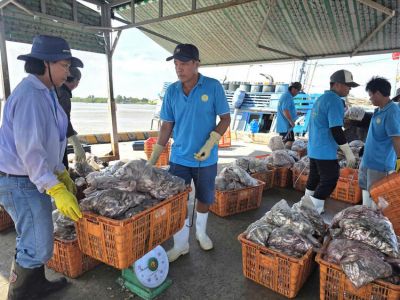
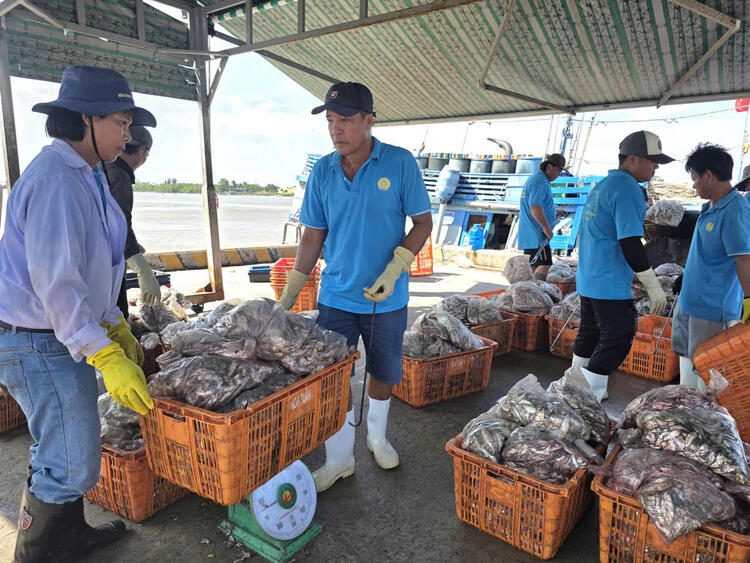
Ca Mau is strengthening monitoring of the actual seafood quantities unloaded at fishing ports and designated landing points.
Landing records must be cross-checked against fishing logbooks, vessel monitoring data, eCDT information, and other relevant documentation. Any unusual discrepancies must be investigated before the catch is accepted as eligible for origin confirmation.
Authorities have also been instructed not to validate raw-material origin documents when the supporting records are incomplete or the reported information has not been verified.
For seafood processors, traders, and exporters, these measures reinforce the need for consistent documentation between the quantities landed, the raw materials received, and the products subsequently processed or sold.
Combating Fraudulent Origin Documentation
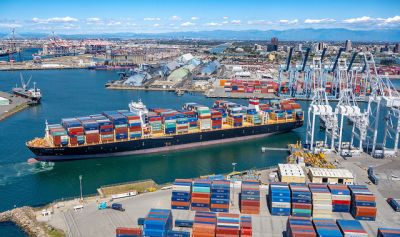
The directive calls for closer inspection of businesses involved in purchasing, receiving, storing, transporting, processing, and exporting seafood, particularly where imported raw materials are involved.
Authorities are expected to identify and address fraudulent records, falsified documents, and attempts to disguise the origin of illegally caught seafood. Cases that may involve criminal violations can be referred to the competent authorities for further investigation.
These measures are intended to prevent illegally caught products from entering legitimate supply chains and to strengthen confidence in seafood origin declarations.
For businesses, the practical implication is clear: seafood origin claims must be supported by reliable records rather than documentation alone.
Digital Traceability Supports Supply Chain Verification
Electronic documentation is becoming an increasingly important part of fisheries management in Vietnam.
The eCDT system helps connect information about vessel movements, port entry and departure, catch landings, and origin documentation. When these records are complete and consistent, they can help authorities verify the movement of seafood from fishing vessels to subsequent buyers and processors.
The broader national effort to combat IUU fishing also emphasizes accurate vessel data, effective enforcement, and verifiable evidence of compliance. As of September 30, 2026, the Government reported that 31 of the European Commission’s 38 recommendations following its fifth inspection had been fully implemented with verified results, while the remaining recommendations were still being addressed or discussed. (Source: Vietnam Government News)
These developments demonstrate continued progress, but they do not mean that the EU’s IUU yellow card has already been lifted.
Responsibilities Across the Seafood Supply Chain
The directive assigns responsibilities to provincial departments, law enforcement agencies, border guards, and local authorities to improve coordination and accountability.
Local administrations with fishing vessels must verify vessel information and identify high-risk vessels, including those that lack valid operating conditions or have unresolved discrepancies in their records. Vessels that do not meet legal requirements must not be allowed to continue fishing in violation of regulations.
For seafood businesses, effective compliance also requires cooperation with suppliers and careful review of the records accompanying raw materials.
Recommended practices include:
-
Verifying supplier and vessel documentation where applicable
-
Maintaining accurate records of incoming seafood quantities and origin
-
Checking consistency between catch records, landing data, and purchase documents
-
Retaining processing and inventory records that support product traceability
-
Ensuring export documentation is consistent with the applicable regulatory requirements
-
Investigating discrepancies before accepting or processing questionable raw materials
What This Means for Vietnamese Seafood Exporters
Stronger IUU controls are part of Vietnam’s broader effort to improve fisheries governance and meet international market requirements.
For seafood exporters, especially businesses handling wild-caught marine products, the ability to demonstrate legal origin is an important element of supply chain compliance. Buyers increasingly need confidence that products are supported by accurate sourcing information and reliable documentation.
Businesses should therefore treat traceability as an ongoing operational process, covering supplier verification, raw-material receipt, processing records, inventory management, and export documentation.
As Vietnam continues to address IUU fishing concerns, accurate data, transparent sourcing, and effective cooperation across the supply chain will remain essential to maintaining buyer confidence and supporting long-term access to international seafood markets.