
Vietnam Introduces New Rules for Determining Domestic Product Origin
Vietnam has introduced new regulations governing how goods manufactured and circulated in the domestic market can be identified as originating from Vietnam. The rules establish criteria for wholly Vietnamese-origin goods and goods that acquire Vietnamese origin through production activities involving imported materials.
Under Decree No. 384/2026/ND-CP, issued on October 9, 2026, businesses must assess product origin against defined criteria and maintain supporting documentation for origin claims. The decree is scheduled to take effect on January 1, 2027. (Official Government Legal Documents Portal)
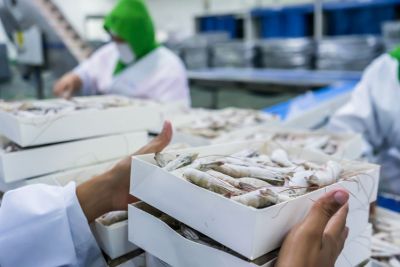
For seafood businesses, the regulations highlight the importance of maintaining accurate sourcing records, documenting production processes, and ensuring that origin claims are supported by verifiable information.
Two Categories of Vietnamese-Origin Goods
The decree distinguishes between two main categories of goods originating from Vietnam: wholly obtained or produced goods, and goods that qualify through production involving non-originating materials.
Wholly Vietnamese-Origin Goods
Wholly originating goods include products obtained entirely in Vietnam under the criteria specified in the decree.
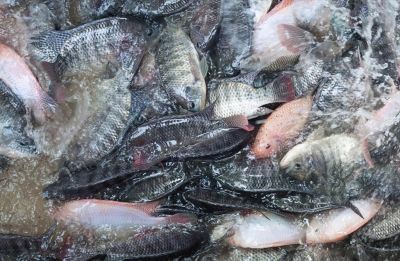
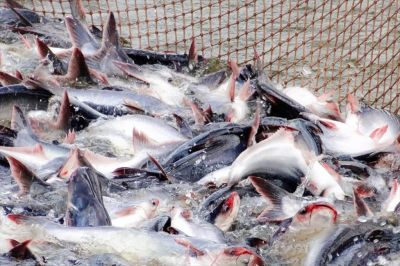
Examples include crops grown and harvested in Vietnam, animals born or raised in the country and products derived from them, as well as products obtained through fishing, aquaculture, harvesting, or other specified activities carried out in Vietnam.
For fisheries, the decree also addresses certain products obtained from marine areas beyond Vietnam’s territorial waters, subject to applicable legal rights and vessel-registration and flag requirements.
These provisions establish a framework for determining when goods can be considered wholly Vietnamese-origin under the rules for domestic circulation.
Goods Produced Using Imported Materials
Goods manufactured in Vietnam using non-originating materials may qualify as Vietnamese-origin if they meet at least one of the criteria specified in the decree:
-
Change in tariff classification: The finished product undergoes a change in tariff classification at the four-digit heading level from the non-originating materials used in production.
-
Vietnamese value content (VVC): The product achieves a minimum Vietnamese value content of 30%, calculated using the prescribed methodology.
The applicable criteria must be assessed against the product, its materials, and the relevant production process. Businesses should not assume that simply processing, packing, or assembling imported goods in Vietnam automatically confers Vietnamese origin.
Simple Processing Does Not Establish Vietnamese Origin
The decree identifies certain operations as simple processing that are not considered sufficient to establish Vietnamese origin.
These include preservation activities such as cooling, drying, salting, or adding certain substances; cleaning and removing surface coatings; repacking, bottling, dividing or combining shipments; applying labels, marks, or logos; simple sorting or mixing; basic inspection and testing; and animal slaughter.
For seafood businesses, this distinction is particularly relevant when products are imported and subsequently handled in Vietnam.
For example, relabeling imported seafood or repacking it in Vietnam should not, by itself, be treated as sufficient grounds to claim Vietnamese origin under this decree. The origin assessment must consider the applicable criteria and the actual processing undertaken.
Documentation and Responsibility for Origin Claims
Businesses and other relevant parties that declare Vietnamese origin on product labels or in materials containing information about goods are responsible for complying with applicable laws and ensuring that their claims are accurate.
The decree requires relevant records to be retained to support origin declarations and facilitate inspections by competent authorities.
Depending on the business and production process, supporting documentation may include:
-
Purchase invoices and input-material records
-
Bills of materials and material-origin information
-
Production-process descriptions
-
Manufacturing and processing records
-
Cost records relevant to Vietnamese value content calculations
-
Other documents supporting the declared origin
For seafood suppliers, maintaining traceable records from raw-material sourcing through processing and finished-product handling can help demonstrate how origin was determined.
Businesses should also ensure that their origin statements are consistent across relevant commercial and product documents.
Domestic Origin Rules Are Different from Export Origin Requirements
An important distinction is that Decree No. 384/2026/ND-CP concerns the determination of Vietnamese origin for goods manufactured and circulated in the domestic market.
According to the decree, determining origin for the purpose of issuing certificates of origin for exports and imports, product labeling requirements, and product traceability activities falls outside its scope.
Businesses exporting seafood must therefore continue to assess origin under the applicable export-origin rules, including relevant free trade agreements, product-specific requirements, and the importing market’s regulations.
A product that meets the criteria for a domestic Vietnamese-origin declaration should not automatically be assumed to qualify for preferential tariff treatment under an export agreement. Preferential origin requirements may differ depending on the destination market and the applicable agreement.
What Seafood Businesses Should Prepare Before 2027
With the decree scheduled to take effect on January 1, 2027, businesses involved in manufacturing and domestic circulation should review their existing procedures before the effective date.
Practical preparation steps include:
-
Reviewing how Vietnamese-origin claims are currently made on product labels and commercial materials
-
Mapping the origin of raw materials and other production inputs
-
Documenting production and processing operations
-
Reviewing whether products meet the applicable tariff-classification change or VVC criterion
-
Establishing procedures for retaining supporting records
-
Training relevant teams on origin declarations and document consistency
-
Separating domestic-origin assessments from export certification and preferential-origin assessments
Seafood exporters should pay particular attention to this final point. Domestic origin rules, export certificates of origin, traceability obligations, and importing-market requirements serve different purposes and should be managed accordingly.
Building Trust Through Transparent Origin Information
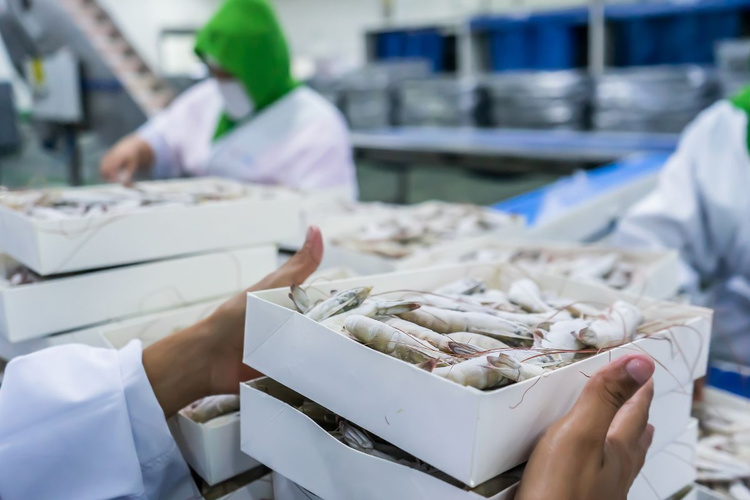
Clear origin documentation can support better product information management, strengthen business accountability, and reduce the risk of unsupported origin claims.
For Vietnam’s seafood sector, accurate records of sourcing, processing, and product movement are important not only for regulatory compliance but also for maintaining trust with international buyers.
As the new rules approach implementation, businesses should review their origin-declaration procedures and seek guidance from the relevant authorities where product-specific interpretation is required.
This article is an informational summary of Decree No. 384/2026/ND-CP and is not a substitute for reviewing the official legal text or obtaining professional advice on a specific product or transaction.