

Rising Freight Costs and New West Africa Surcharges Add Pressure to Seafood Exports
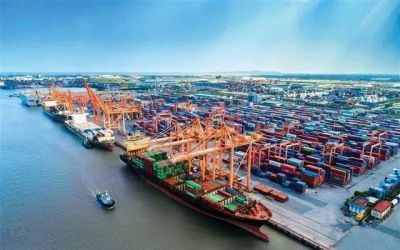
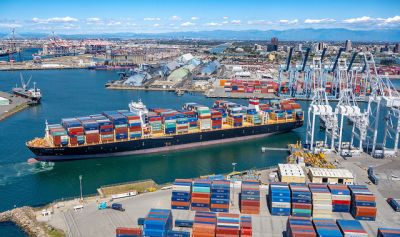
International container shipping markets remained volatile in late October 2026, with freight rates moving differently across major trade routes, shipping schedules being adjusted, and carriers continuing to restructure their service networks.
For Vietnam’s seafood exporters, these developments are creating additional challenges in managing transportation costs, refrigerated container availability, and delivery schedules.
One of the most immediate developments is a new US$800 Peak Season Surcharge (PSS) per container introduced by Maersk for exports from Vietnam to West Africa, effective November 4, 2026. The surcharge applies to both 20-foot and 40-foot containers, including refrigerated equipment.
Ocean Freight Rates Show Uneven Movements
According to the Drewry World Container Index (WCI), the global container freight index increased by approximately 2% on October 22, reaching US$4,585 per 40-foot container.
Freight rates increased across several major East–West routes:
-
Shanghai–Los Angeles: US$8,007/FEU, up 2%
-
Shanghai–New York: US$10,166/FEU, up 1%
-
Shanghai–Rotterdam: US$3,632/FEU, up 3%
-
Shanghai–Genoa: US$4,152/FEU, up 5%
However, other freight indicators showed a less consistent trend. The Shanghai Containerized Freight Index (SCFI) remained broadly stable, while the China Containerized Freight Index (CCFI) declined by approximately 2.4%.
These differences suggest that shipping costs are not moving uniformly across all routes. Exporters therefore need to assess freight conditions based on their specific destinations rather than relying on a single global index.
Maersk Introduces US$800 PSS for Vietnam–West Africa Shipments
A significant cost development for Vietnamese exporters is Maersk’s revised Peak Season Surcharge for shipments from Vietnam to West Africa.
Effective November 4, 2026, the carrier applies the following surcharge:
-
20-foot containers: US$800 per container
-
40-foot containers: US$800 per container
-
Equipment coverage: Dry and refrigerated containers
The surcharge is collected at origin and is subject to the applicable booking and price calculation conditions. Other local charges and contingency-related surcharges may apply separately.
For seafood exporters shipping frozen products in 40-foot reefer containers, the additional US$800 represents a direct increase in shipment costs.
Businesses serving West African destinations should review their freight quotations and confirm whether the PSS has already been included or will be charged separately. This is particularly important when negotiating fixed-price export contracts or calculating the total landed cost for buyers.
Blank Sailings Increase the Risk of Shipping Delays
Beyond freight rates, vessel capacity management is another important concern.
According to Drewry's shipping outlook cited in the industry logistics update, carriers planned to cancel 56 out of 714 scheduled sailings during weeks 44–48 of 2026, equivalent to approximately 8% of planned services.
The Asia–Northern Europe and Mediterranean trade accounted for 54% of the announced cancellations, followed by trans-Pacific routes at 32%.
Blank sailings can reduce available vessel space and disrupt established shipping schedules. For seafood exporters, this may result in delayed departures, missed connections, booking rollovers, and longer delivery times.
These disruptions are particularly important for frozen and chilled seafood shipments, which depend on continuous temperature control and reliable transportation arrangements.
Shipping Routes Through the Red Sea and Suez Are Being Adjusted
Another important development is the gradual adjustment of shipping services around the Red Sea and Suez Canal.
Some carriers are restoring services through the Suez route, while others continue to use a combination of Suez Canal and Cape of Good Hope sailings.
The changes could shorten transit times on certain Asia–Europe routes, but security conditions in the Red Sea and the wider Middle East remain important factors affecting operational reliability.
Maersk has also announced changes to its Gemini network, including the introduction of the new AE18 service. The service is scheduled to begin with its first sailing from Shanghai on November 22, 2026, connecting Shanghai, Xiamen, Tanjung Pelepas, Algeciras, and Tangier.
These network adjustments may change transshipment arrangements, port connections, and estimated transit times for shipments from Asia to Europe and other connected markets.
For exporters, it is important to verify the actual vessel rotation and transshipment ports rather than relying solely on estimated transit times in initial quotations.
Reefer Shipping Requires More Comprehensive Cost Planning
Seafood exporters face additional logistical requirements compared with many dry-cargo businesses.
Frozen seafood shipments depend on refrigerated containers, appropriate temperature settings, reliable power supply at ports, and careful coordination throughout the transportation process.
The quoted ocean freight rate alone does not represent the full cost of shipping refrigerated cargo.
Businesses should also review:
-
Peak Season Surcharges and other carrier surcharges
-
Reefer equipment and handling charges
-
Terminal handling charges at origin and destination
-
Electricity and plug-in fees
-
Inland refrigerated transportation
-
Storage, detention, and demurrage charges
-
Transshipment arrangements and potential rollover costs
-
Cargo insurance and other applicable fees
A lower initial freight quotation may not necessarily provide the most competitive overall logistics solution if it involves additional charges or less reliable connections.
Practical Steps for Seafood Exporters
With shipping networks and freight costs continuing to change, exporters should take a more proactive approach to logistics planning.
Key measures include:
-
Confirming the latest freight rates and surcharge applicability before booking
-
Checking whether PSS and other additional charges are included in quotations
-
Booking reefer containers early, particularly for destinations with limited vessel capacity
-
Confirming vessel schedules, transshipment ports, and alternative routing options
-
Reviewing temperature requirements and reefer power arrangements
-
Allowing sufficient time for potential delays and schedule changes
-
Including potential freight adjustments in export contract negotiations
For shipments to West Africa, businesses should pay particular attention to the new US$800 PSS and verify the applicable charges directly with their shipping line or freight forwarder.
Logistics Flexibility Is Essential for Seafood Export Competitiveness
The latest shipping developments highlight the growing importance of logistics management in international seafood trade.
For Vietnamese seafood exporters, maintaining competitiveness requires more than securing an attractive ocean freight rate. Reliable reefer capacity, transparent surcharge structures, efficient transshipment arrangements, and predictable delivery schedules are equally important.
As carriers continue to adjust capacity and service networks, exporters and international buyers will need greater flexibility in shipment planning and cost management.
A well-managed cold-chain logistics strategy can help reduce unexpected expenses, protect product quality, and support more reliable seafood deliveries to global markets.