

Ocean Freight Costs Remain Uneven, Adding Pressure to Vietnam Seafood Exports
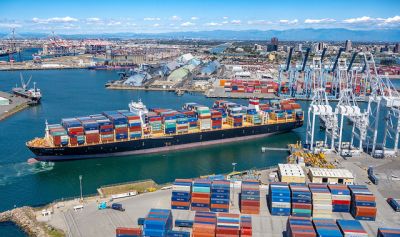
Ocean freight costs from Vietnam remained elevated in September 2026, with significant differences between major trade routes. For seafood exporters, particularly those shipping frozen products in refrigerated containers, higher freight costs and uncertain vessel schedules are adding further pressure to export margins and supply-chain planning.
According to the Vietnam Association of Seafood Exporters and Producers (VASEP), the Vietnam Container Freight Index (VCFI) reached approximately US$4,912 per 40-foot equivalent unit (FEU) during the week of September 8–14, 2026, remaining broadly stable from the previous week. However, freight levels continued to vary considerably across destinations.
South America and the U.S. Remain High-Cost Routes
The South America route remained the most expensive major destination from Ho Chi Minh City, with freight reaching approximately US$10,757 per FEU, up 8.43% week on week.
U.S. routes also remained costly. Freight to the U.S. East Coast reached approximately US$9,891 per FEU, while the U.S. West Coast stood at around US$7,506 per FEU.
By comparison, rates to Europe moved in the opposite direction. Freight to Northern Europe fell to approximately US$3,983 per FEU, while the Mediterranean route declined to around US$4,315 per FEU.
This divergence means that the impact of logistics costs can vary significantly depending on the destination market and shipping route.
Reefer Logistics Are Critical for Seafood Exporters
Seafood exports are particularly sensitive to changes in logistics costs because frozen and chilled products require refrigerated containers, temperature-controlled handling, and reliable transportation throughout the supply chain.
The actual logistics cost of a 40-foot reefer shipment also extends beyond the basic ocean freight rate. Exporters may need to account for fuel and equipment surcharges, terminal handling charges, reefer electricity fees, inland refrigerated transportation, storage, container detention, and other destination-related costs.
As a result, even a relatively small increase in the headline freight rate can have a noticeable impact on the total landed cost of seafood.
For exporters competing in price-sensitive markets, higher logistics costs can affect margins, contract negotiations, and the final price offered to international buyers.
Shipping Reliability Is Becoming as Important as Freight Rates
The current logistics environment is not only about freight prices. Vessel availability, booking allocation, schedule reliability, transshipment arrangements, and rollover risks are becoming increasingly important for seafood exporters.
VASEP reported that 79 scheduled sailings were expected to be cancelled during weeks 38–42, representing approximately 11% of planned services. More than half of these cancellations were concentrated on trans-Pacific routes, while another significant share affected Asia–Northern Europe and Mediterranean services.
For temperature-sensitive cargo, an unexpected rollover or missed connection can create additional costs and operational risks.
Exporters therefore need to evaluate both the quoted freight rate and the reliability of the proposed shipping route before confirming a shipment.
Europe Offers Lower Freight Costs, but Inland Logistics Still Matter
Lower ocean freight rates to Europe do not necessarily mean that the entire logistics chain will be less expensive.
VASEP has highlighted delays affecting feeder and barge connections around Rotterdam, while low water levels on the Rhine can restrict inland barge capacity and increase transportation costs.
For seafood exporters shipping refrigerated cargo to Europe, this makes end-to-end logistics planning increasingly important.
The total cost and delivery time should be evaluated across the entire route, including:
-
Inland transportation from the processing facility
-
Port handling and terminal charges
-
Ocean freight
-
Transshipment and feeder connections
-
Reefer plug-in and storage costs
-
Customs clearance
-
Final inland delivery
A competitive ocean freight rate may provide limited benefit if delays and additional inland costs significantly increase the total landed cost.
Asia Remains More Cost-Efficient for Regional Trade
Freight rates on several intra-Asian routes remain considerably lower than those to the U.S. and South America.
During the September 8–14 period, freight from Ho Chi Minh City to China was around US$93 per FEU, while South Korea was approximately US$325 per FEU and Japan around US$503 per FEU. Southeast Asia recorded a further decline in freight rates during the same period.
For seafood suppliers, the relatively lower cost of regional transportation can support the development of Asian markets and provide greater flexibility when planning shipments to nearby destinations.
However, lower freight rates do not automatically guarantee stable schedules. Exporters still need to confirm vessel connections, transshipment arrangements, and available reefer capacity before booking.
Planning Ahead Is Becoming Essential
VASEP has not reported a widespread shortage of 40-foot reefer containers in Vietnam. However, exporters may still encounter localized difficulties with vessel space, booking allocation, reefer plugs, and shipment rollovers.
For seafood exporters, several practices can help reduce logistics risks:
-
Book reefer containers well in advance, particularly for high-demand routes
-
Confirm the complete routing and transshipment ports before shipment
-
Check vessel schedules and potential rollover risks
-
Request all-in 40RF quotations rather than comparing ocean freight alone
-
Confirm reefer plug-in, storage, detention, and inland cold-chain charges
-
Maintain alternative shipping options when schedules are uncertain
-
Include potential logistics fluctuations when negotiating export contracts
Building a More Resilient Seafood Supply Chain
The current freight market demonstrates that logistics costs can change significantly between destinations and over relatively short periods.
For Vietnam’s seafood exporters, competitiveness therefore depends not only on product quality and price, but also on the ability to manage transportation costs and deliver products reliably.
As international seafood trade becomes more complex, exporters and buyers will increasingly need flexible logistics strategies that combine competitive freight rates, reliable reefer capacity, transparent cost structures, and effective route planning.
For international buyers sourcing Vietnamese seafood, working with suppliers that understand both product requirements and cold-chain logistics can help reduce transportation risks and improve supply-chain reliability.