
Vietnam Seafood Exports Stay Strong as Market Growth Becomes More Divergent
Vietnam’s seafood exports maintained strong growth through the first eight months of 2026, but the market landscape is becoming increasingly differentiated by destination.
Vietnam exported approximately US$8.0 billion worth of seafood in the first eight months of 2026, up around 11.8% year on year. August exports reached approximately US$1.14 billion, although monthly growth slowed to 6.4%, signaling a more challenging environment for the final months of the year.
While the overall result remains positive, export momentum is increasingly being shaped by different market conditions. China and Hong Kong are emerging as major growth drivers, while the U.S. market is facing additional pressure from tariffs, anti-dumping measures, and changing importer purchasing strategies.
China and Hong Kong Become Key Growth Drivers
One of the most notable shifts in Vietnam’s seafood export structure in 2026 has been the strong performance of China and Hong Kong.
In the first eight months, seafood exports to the combined market reached approximately US$2.03 billion, up 33.4% year on year. The market generated more than US$500 million in additional export value and accounted for around 60% of the seafood sector’s overall increase during the period. Demand was supported by shrimp, pangasius, crab and marine fish products.
The strong performance highlights the growing importance of Asian markets as Vietnamese exporters respond to changing conditions in traditional destinations.
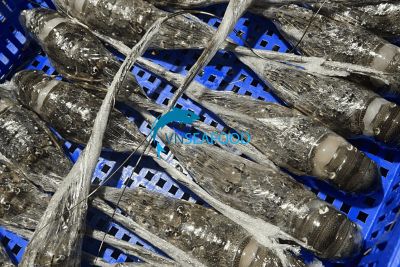
For shrimp specifically, exports to China and Hong Kong reached nearly US$1.12 billion, up 35.9% year on year. China alone accounted for more than US$1.07 billion, an increase of 38.2%.
U.S. Market Faces Increasing Trade Pressure
The outlook for Vietnamese seafood exports to the United States has become more challenging.
From July 2026, Vietnamese goods covered by the relevant U.S. measure became subject to an additional 12.5% Section 301 tariff, adding to existing import duties and, where applicable, anti-dumping or countervailing duties. This has increased the total cost of bringing Vietnamese seafood into the U.S. market.
The impact is already visible in export performance. Vietnam’s seafood exports to the U.S. declined 11.4% in August, while the eight-month total was approximately US$1.24 billion.
For exporters, the additional tariff pressure can affect purchasing decisions, contract negotiations, selling prices, and the overall competitiveness of Vietnamese seafood compared with suppliers from other origins.
Pangasius Faces Additional Pressure from POR21
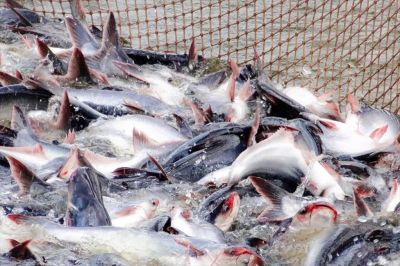
Vietnamese pangasius has been particularly affected by the changing U.S. trade environment.
In the first eight months of 2026, pangasius exports to the U.S. fell by nearly 14% year on year, with August shipments declining by more than 50%. The final results of the U.S. Department of Commerce’s POR21 anti-dumping review, announced in August, also resulted in higher duty rates for several Vietnamese exporters, while the Vietnam-wide entity rate remained at US$2.39/kg.
These developments have made U.S. importers more cautious and are increasing the importance of pricing, product selection, and market diversification for Vietnamese pangasius suppliers.
At the same time, opportunities are emerging elsewhere. Pangasius exports to China and Hong Kong increased strongly, while exports to the European Union also recorded growth. In August alone, pangasius exports to the EU rose more than 42%, bringing the eight-month total to approximately US$131.7 million, up 11.4%.
Shrimp Growth Continues, but Market Conditions Are Uneven
Vietnam’s shrimp exports reached approximately US$3.3 billion in the first eight months of 2026, maintaining double-digit growth overall.
However, performance varies significantly by destination. China and Hong Kong have become the strongest growth engine, while exports to the U.S. fell 11.7% to US$436.1 million. EU shrimp exports also declined 3.6% to US$355.3 million. Meanwhile, Japan, Australia, and Canada continued to record positive growth.
This divergence shows that maintaining export growth will increasingly depend on selecting the right markets and product segments rather than relying on broad-based demand growth.
In the U.S., competition from Ecuador and India is also becoming more important, particularly in processed shrimp. Buyers are increasingly focusing on peeled, value-added, and convenience-oriented products, creating additional pressure for suppliers to compete on more than price alone.
Market Diversification Becomes More Important in Q4
The changing market environment is making diversification a central issue for Vietnam’s seafood exporters.
As U.S. tariffs and trade remedies increase the cost of Vietnamese seafood, exporters are likely to place greater attention on markets where demand remains resilient, including China and Hong Kong, ASEAN, Japan, Canada, and selected European markets.
The shift does not necessarily mean replacing one major market with another. Instead, exporters need to develop a broader market portfolio while adapting product formats, pricing strategies, and compliance systems to the requirements of each destination.
For international buyers, this also creates opportunities to source Vietnamese seafood through a wider range of product categories and supply channels.
Focus Shifts Toward Value, Compliance and Flexibility
Vietnam’s seafood export growth in 2026 is increasingly becoming a story of market selection and supply-chain adaptability.
The final months of the year are expected to remain more challenging than the strong opening months. VASEP notes that seafood exports could still exceed US$12 billion for the full year, but fourth-quarter growth is expected to slow as U.S. tariff impacts become more visible and market conditions become more selective.
For Vietnamese seafood exporters, several priorities are becoming increasingly important:
-
Diversifying export markets and reducing concentration risk
-
Developing higher-value and processed seafood products
-
Maintaining competitive total landed costs
-
Strengthening traceability and regulatory compliance
-
Understanding destination-specific import requirements
-
Building flexible sourcing and supply-chain strategies
Vietnam’s seafood industry has maintained positive growth despite a more complicated global trading environment. Going into the final quarter of 2026, the ability to adapt to different market conditions, manage trade-related costs, and deliver consistent quality will remain critical to sustaining export momentum.