

In June 2026, Vietnam’s seafood exports reached nearly USD 1.1 billion, up 21.0% compared to the same period in 2025. Total export turnover in the first six months of 2026 reached nearly USD 5.8 billion, representing a year-on-year increase of 12.8%.
The growth in seafood exports during the first half of 2026 reflects not only recovering global demand but also the industry’s ability to adapt through market diversification, product restructuring, and stronger penetration into regions with geographic and cost advantages. At the same time, buyers are becoming increasingly cautious, with shorter orders, smaller volumes, stronger price pressure, and stricter requirements for quality, certification, traceability, and delivery schedules.
Shrimp remained Vietnam’s largest seafood export category. In June 2026, shrimp exports reached USD 445.9 million, up 20.7% year-on-year. Cumulative shrimp exports in the first six months totaled USD 2.3 billion, up 13.6%, accounting for 40.5% of total seafood export value. China and Hong Kong continued to drive growth, especially for black tiger shrimp, lobster, frozen shrimp, and premium restaurant-focused products. However, price competition in major markets remains intense, putting pressure on profit margins.
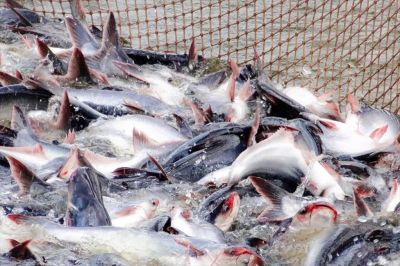
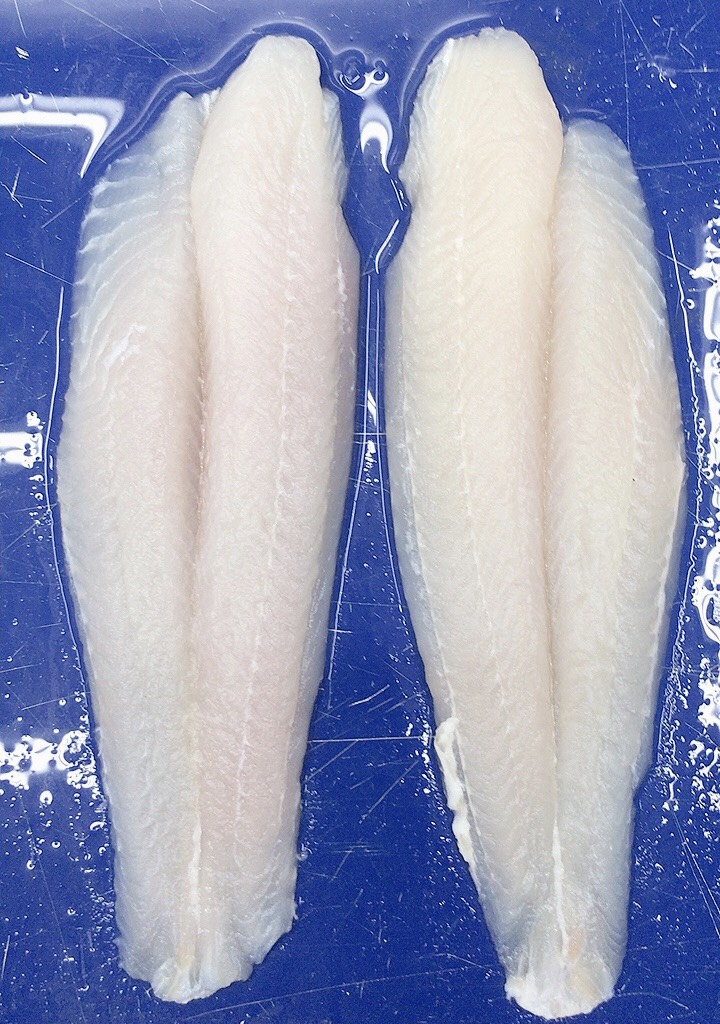
Pangasius retained its position as the second-largest export category. In June 2026, pangasius exports reached USD 209.1 million, up 7.7%. Total exports in the first half reached USD 1.1 billion, increasing by 12.1% and accounting for 19.4% of total seafood exports. Stable demand for affordable whitefish continues to support pangasius, especially as consumers in many markets remain cautious with spending. Competitive pricing, stable supply, and processing flexibility remain key strengths of Vietnamese pangasius.
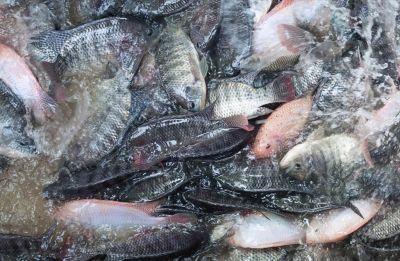
Other fish categories, mainly marine fish and freshwater species, also showed strong performance. Exports in June reached USD 198.8 million, up 19.8%, while cumulative exports in six months totaled USD 1.1 billion, up 12.0%. This segment reflects increasing diversification in Vietnam’s seafood export portfolio.
Tuna exports showed mixed performance. In June 2026, tuna exports reached USD 85.9 million, up 28.0%, but cumulative exports in the first half reached only USD 452.7 million, down 2.0%. While June indicated signs of recovery, weaker performance earlier in the year continued to weigh on overall growth.
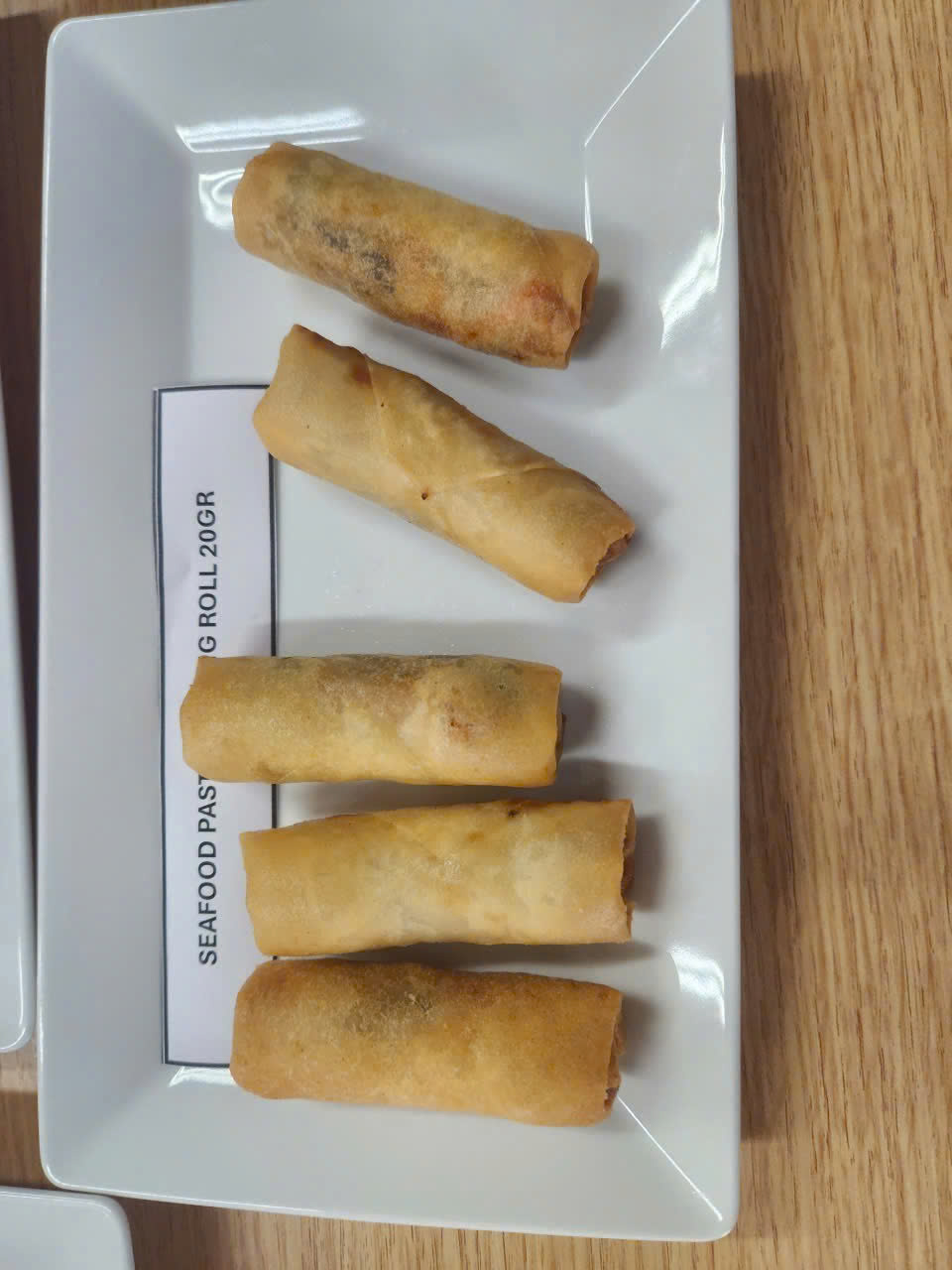
Squid, octopus, and shellfish recorded notable growth. Squid and octopus exports in June reached USD 77.9 million, up 26.5%, while cumulative exports reached USD 380.2 million, up 18.8%. Crab and other crustacean exports reached USD 206.2 million in the first six months, up 26.2%. Shellfish also posted strong growth, reflecting improving demand across Asian markets.
Regarding export markets, China and Hong Kong remained the largest and fastest-growing destinations for Vietnamese seafood. In June, exports to these markets reached USD 256.6 million, up 32.2%. Total exports in the first half reached USD 1.5 billion, up 37.9%, accounting for 25.8% of total seafood exports.
Exports to the United States reached USD 195.3 million in June, increasing by 48.3% year-on-year. However, cumulative exports for the first half totaled USD 897.9 million, remaining nearly flat compared to last year. This suggests that June’s surge may have been driven by short-term orders rather than sustained recovery.
Japan remained an important market with exports reaching USD 787.5 million in the first six months, up 0.7%. Exports to the EU reached USD 536.7 million, slightly down by 0.8%, while the Middle East recorded USD 166.6 million, showing relatively stable performance.
On a positive note, South Korea recorded USD 419.4 million in imports from Vietnam, up 9.0%, while ASEAN markets reached USD 380.2 million, up 15.8%. These figures highlight the effectiveness of Vietnam’s market diversification strategy, helping offset slower growth in traditional major markets.
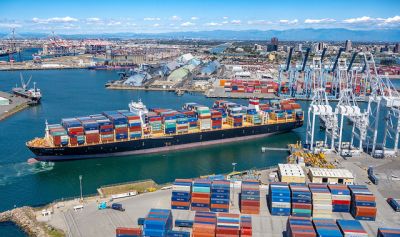
Beyond market challenges, global container freight rates are emerging as a significant concern for seafood exporters in the second half of 2026. Seafood exports heavily depend on refrigerated containers, making the industry highly sensitive to fluctuations in freight costs, fuel surcharges, port congestion, and shipping availability.
International container freight rates are approaching their highest levels in nearly two years. Rising demand for shipping capacity, especially driven by importers securing cargo early to mitigate tariff-related risks, is adding further pressure to global logistics costs.
Overall, achieving USD 5.8 billion in seafood exports during the first half of 2026 provides a strong foundation for full-year growth. In the second half of the year, maintaining momentum in high-growth markets, controlling costs, improving logistics efficiency, and increasing value-added product exports will be critical for sustaining Vietnam’s seafood export performance.