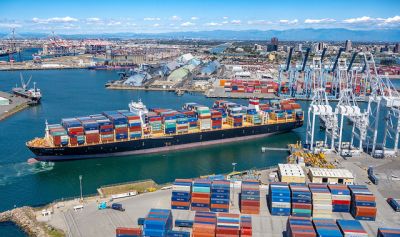

The European tuna industry has expressed growing concerns over the increasing number of trade agreements that could significantly expand duty-free access for imported tuna products into the European market. Industry representatives are urging the European Union to phase out the autonomous tariff quota (ATQ) for tuna loins from 1 January 2027 and to ensure that future trade agreements include effective safeguard measures against market disruption and unfair competition.
The industry also calls on the EU to strengthen sanitary, environmental, and social compliance requirements for imported tuna products. In addition, it recommends that future trade partners ratify the ILO Convention No. 188 on Work in Fishing as a prerequisite for preferential market access.
New Trade Agreements Raise Competitive Pressure
These concerns have intensified following the progress of several trade negotiations between the EU and major tuna-producing countries. Industry stakeholders warn that reducing or eliminating import tariffs could increase the volume of low-cost tuna entering the European market, placing additional pressure on EU fishing fleets and processors.
Although some supplying countries currently have limited exports to Europe, duty-free access could encourage a significant shift of exports toward the EU in the coming years. This could reshape competition in both the frozen tuna loin and canned tuna segments.
Industry Calls for Removal of the Duty-Free Tuna Loin Quota
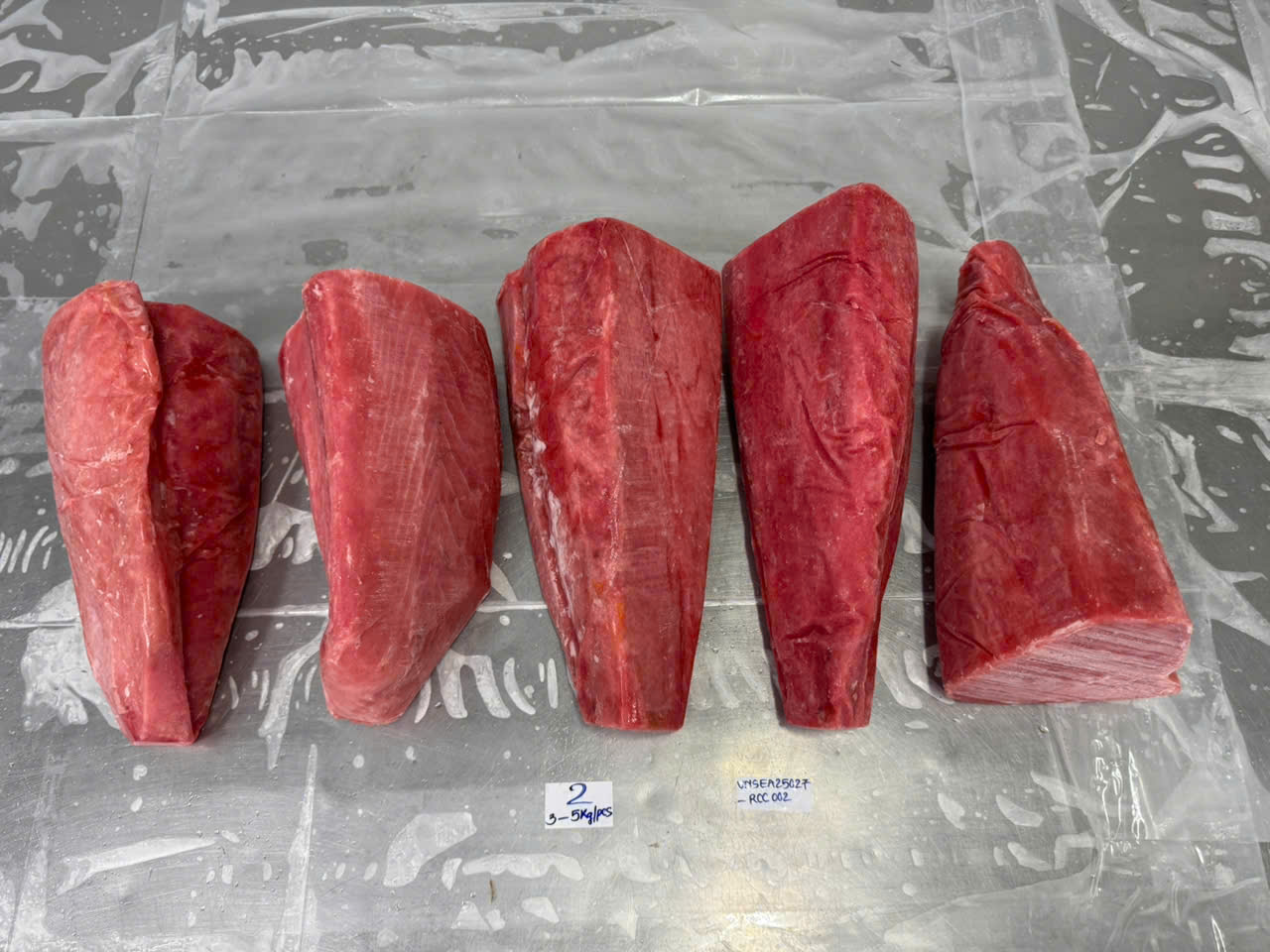
The European tuna sector is also requesting the removal of the current 35,000-metric-ton annual duty-free quota for tuna loins, which allows imports from any country without import duties.
According to industry representatives, as more countries gain preferential access through free trade agreements, the volume of duty-free, competitively priced tuna loins entering the EU market will continue to increase, directly competing with locally produced products. They believe the existing quota should be abolished from 2027 to better protect the competitiveness of the European tuna industry.
Concerns Over Unequal Production Standards
Another major concern relates to differences in production standards between EU producers and overseas suppliers. While European fishing companies operate under some of the world's strictest food safety, environmental, and labor regulations, imported products may be produced under less demanding regulatory frameworks.
Industry representatives argue that European producers continue to invest heavily to comply with increasingly stringent EU requirements, while imported seafood may not always be subject to equivalent standards. They stress that ensuring a level playing field should remain a key consideration in future EU trade policies.