

1. New EU requirements
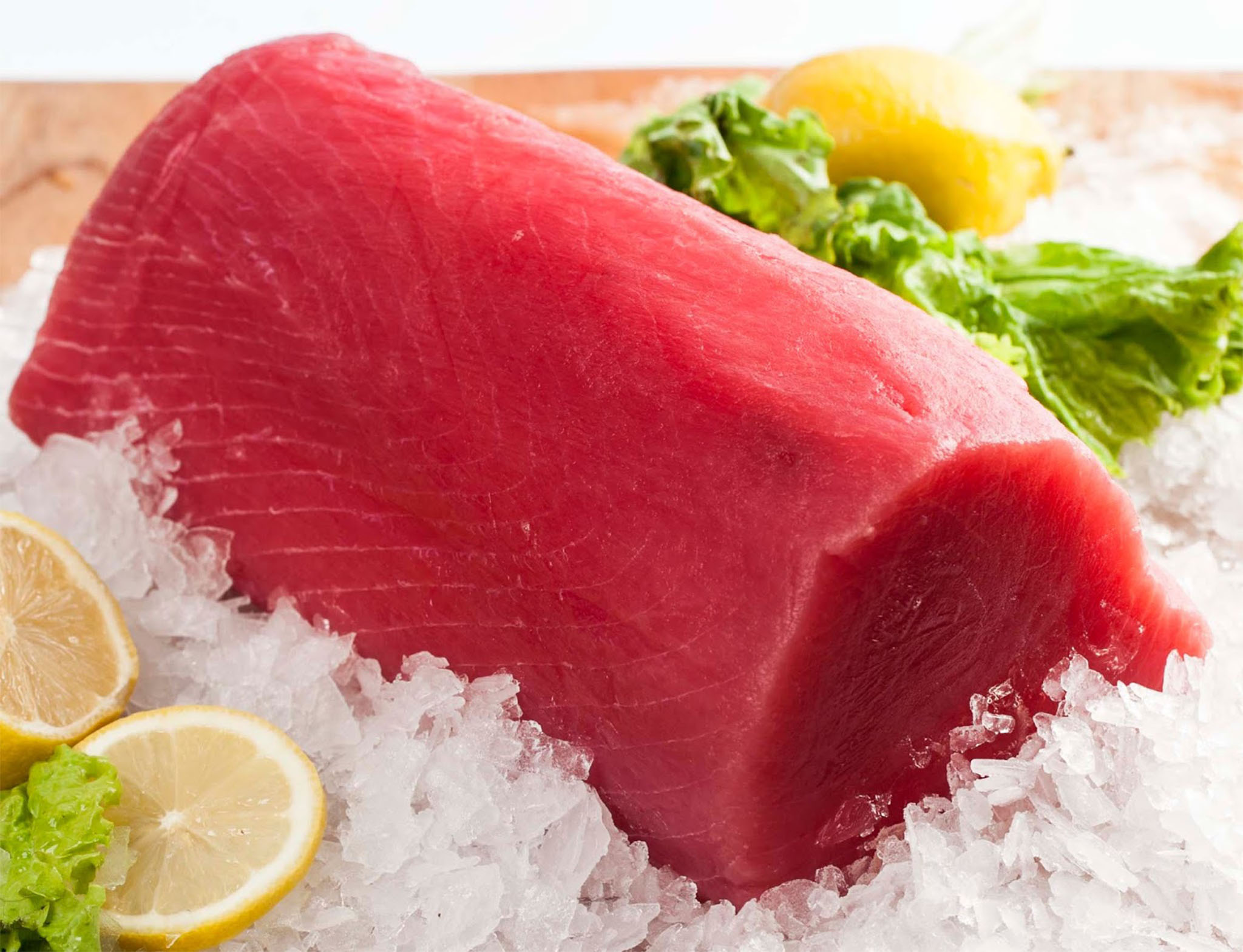
Under the new EU regulation, tuna intended for direct human consumption
(e.g. sashimi, tuna steak, tuna loin, etc.):
-
Must be frozen to a core temperature of –18°C or lower, including cases where brine freezing is applied on board fishing vessels.
-
Only vessels equipped with brine-freezing systems that have been officially validated as meeting the required technical performance are allowed to place such tuna on the EU market.
-
Temperature must be continuously monitored, recorded, and data stored, in order to be available for official controls by EU competent authorities.
2. Date of application
-
The regulation enters into force on 27 January 2026.
-
After this date, tuna that does not meet the –18°C freezing requirement will not be allowed to enter the EU market as products intended for direct human consumption.
3. Reasons for stricter EU controls
According to official EU inspection reports:
-
Some vessels have been freezing tuna in brine at around –9°C, then placing it on the market as fresh tuna or minimally processed tuna.
-
The EU considers this practice to be commercial fraud and a potential food safety risk, particularly due to the risk of histamine accumulation, which may cause scombroid poisoning in consumers.
-
Therefore, the EU has decided to standardize the –18°C core temperature requirement to ensure food safety and market transparency.
Notes for Vietnamese tuna businesses
1. Key points to pay special attention to
-
This regulation does not apply to all tuna products, but specifically targets tuna intended for direct human consumption.
-
Tuna frozen at temperatures higher than –18°C faces a high risk of:
-
Being rejected at EU border controls, or
-
Being forced to change its intended use (e.g. redirected to further processing), subject to the decision of EU competent authorities.
-
-
Companies are strongly advised to:
-
Review raw material sources and onboard freezing methods;
-
Work closely with fishing partners and fleets to ensure equipment and procedures comply with the new requirements;
-
Prepare early to avoid export disruptions from 2026 onwards.
-
2. Tuna products considered as “direct human consumption”
These typically include:
-
Fresh or frozen tuna intended for:
-
sashimi / sushi
-
tuna steaks
-
frozen tuna loins or fillets
-
-
Frozen tuna that is thawed and sold as “fresh” on the EU market
-
Frozen tuna that has undergone minimal processing only, such as:
-
cutting
-
cleaning
-
grading
-
repacking
-
➡️ All of the above products must comply with the –18°C core freezing requirement, including when brine freezing is used.
3. Cases NOT considered as “direct human consumption”
The following are outside the scope of the tightened requirements, provided tuna is:
-
Used as raw material for industrial processing, such as:
-
canned tuna
-
cooked / sterilized tuna
-
thermally processed, smoked, or fully cooked tuna
-
-
Imported into the EU for further processing before being placed on the consumer market
➡️ In these cases, the specific –18°C requirement for direct human consumption does not apply, although general EU food safety regulations remain applicable.
4. Why the EU separates “direct consumption” from industrial processing
The EU emphasizes this distinction because:
-
Tuna intended for direct human consumption:
-
Has a higher risk of histamine formation if freezing is insufficient;
-
Is more vulnerable to commercial fraud (e.g. frozen at –9°C but marketed as fresh).
-
-
Tuna intended for thermal processing or sterilization:
-
Undergoes treatments that significantly reduce food safety risks;
-
Poses lower risk to end consumers.
-
5. Practical recommendations for Vietnamese exporters
Vietnamese companies are advised to:
-
Clearly classify shipments from the outset:
-
Tuna for direct human consumption
-
Tuna for industrial processing
-
-
Clearly state the intended use in:
-
technical dossiers
-
contracts
-
export documentation
-
-
Work closely with EU partners to:
-
align on the final intended use;
-
minimize the risk of rejection or mandatory reclassification at EU border controls.
-
Legal basis:
Commission Delegated Regulation (EU) 2025/1449