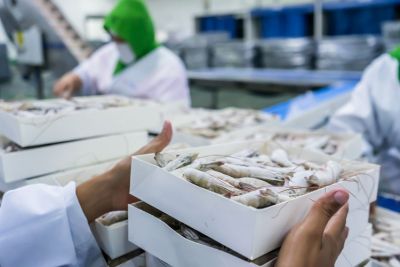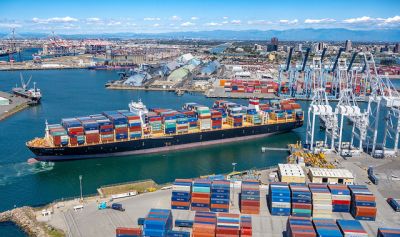

Vietnamese green lobster (150–300g per piece) – a product highly favored in the Chinese market.
In 2025, Vietnam’s lobster exports to China surged dramatically, reaching a record USD 858 million, up 208% compared to 2024. China became Vietnam’s largest lobster import market, accounting for nearly the entire lobster export turnover (USD 845 million).
Below is an analysis of the key factors driving China’s sharp increase in lobster imports from Vietnam in 2025, considering market demand, trade and quarantine policies, pricing and production capacity, bilateral trade relations, and international competition among suppliers.
1. Rising Demand from the Chinese Market
Premium Consumption Trend
Chinese consumers are increasingly favoring high-quality, safe, and traceable seafood products, and are willing to pay premium prices for exceptional culinary experiences. Instead of focusing on low-priced frozen shrimp, consumers are shifting toward premium segments such as large-sized shrimp, live/fresh lobster, and processed seafood for restaurants and hotels.
This shift strongly benefits Vietnamese lobster, which is recognized for its quality and suitability for the high-end market segment.
Festive Seasons and Cultural Factors
Lobster demand in China surges during Lunar New Year, when families prepare for year-end celebrations. Lobster is popular at banquets thanks to its attractive appearance and bright red color symbolizing luck and prosperity.
Smaller-sized lobster (150–300g per piece) is especially popular in trending seafood buffet restaurants across China.
Economic Recovery and Stimulus Policies
Following China’s reopening after COVID-19, consumer incomes improved and government policies boosted domestic consumption, increasing demand for premium foods like lobster.
In 2025, e-commerce and modern retail chains in China expanded rapidly, helping imported lobster reach a broader consumer base. During the first three quarters of 2025, China imported nearly 49,900 tons of lobster, up 13% year-on-year. This strong demand created significant opportunities for suppliers such as Vietnam.
2. More Favorable Trade and Quarantine Policies
Market Access and Tariff Preferences
Vietnam–China agricultural trade relations have made significant progress in recent years. China has approved official import channels for many Vietnamese agricultural and seafood products through bilateral protocols.
Key Vietnamese seafood products such as lobster, black tiger shrimp, and pangasius benefit from 0% import tariffs under trade agreements such as:
-
ASEAN–China Free Trade Area (ACFTA)
-
Regional Comprehensive Economic Partnership (RCEP)
Thanks to tariff advantages, Vietnamese lobster is more competitively priced compared to lobster from the U.S. and Canada, which face import tariffs of approximately 17% and 32%, respectively.
In addition, Vietnam’s geographic proximity to China shortens transportation time for live lobster, reducing mortality rates and logistics costs — a clear competitive advantage.
Quarantine Regulations and Species Adjustment
In 2023, China amended its Wildlife Protection Law and listed ornate spiny lobster (Panulirus ornatus) as a protected species. Wild-caught and traded ornate spiny lobster were banned, and only farmed lobster meeting strict requirements (F2 generation broodstock and traceable farming processes) could be imported.
This caused Vietnam’s lobster exports to China to decline sharply in early 2023. However, both sides actively coordinated solutions. Vietnam shifted focus toward farming green lobster (Panulirus homarus), a species permitted for export and highly favored by the Chinese market.
By 2025, exports had stabilized through official channels. Vietnam currently has 46 approved live seafood packing facilities authorized to export to China. Businesses strictly comply with traceability, labeling, and quality standards.
(Note: China is expected to implement Order 280 in mid-2026 with stricter registration requirements for export facilities. However, during 2025, current regulations remained supportive of Vietnam’s lobster exports.)
3. Vietnam’s Lobster Production Capacity
To meet strong Chinese demand, Vietnam significantly expanded lobster farming in key areas such as:
-
Xuân Đài Bay
-
Cam Ranh
In the first three quarters of 2025, China imported 17,365 tons of lobster from Vietnam (nearly triple year-on-year), valued at USD 556 million.
Sông Cầu (Phú Yên) alone has over 27,000 farming cages, making it one of Vietnam’s largest lobster hubs. Thanks to expanded farming areas and improved aquaculture technology, Vietnam was able to supply large volumes in 2025.
Supply Risks
Despite strong production, risks remain, including natural disasters and disease outbreaks. In late November 2025, historic flooding in Phú Yên caused significant lobster mortality in Xuân Đài Bay, potentially reducing supply in early 2026 and pushing prices upward.
Sustainable farming models, environmental control, and farming area codes are being promoted to ensure long-term stability.
4. Strengthened Vietnam–China Trade Relations
In 2025, China surpassed the United States to become Vietnam’s largest seafood import market.
Shift from Informal to Official Trade
Previously, much of Vietnam’s lobster exports to China occurred through informal border trade, involving risks such as congestion and price pressure.
Now, both sides emphasize official trade channels, standardization, and direct cooperation. Chinese companies increasingly import directly from Vietnam, and regulatory agencies tighten quality certification to enhance product reputation and ensure fair competition.
Improved bilateral cooperation has contributed to record lobster export performance in 2025.
5. Competition and Vietnam’s Market Position
Australia’s Absence Creates Opportunity
Before 2020, Australia was China’s top lobster supplier, holding around 50% market share in 2019. However, China imposed an import ban on Australian rock lobster in late 2020, leaving a significant supply gap.
Although trade normalization discussions resumed by late 2024, Australian lobster had not yet significantly returned in 2025, creating favorable conditions for Vietnam to expand market share.
Decline of U.S. and Canadian Supply
Due to ongoing trade tensions, China imposed high tariffs on North American lobster. In 2025, imports from Canada fell 39%, and imports from the U.S. declined 10%.
Vietnamese lobster benefited from:
-
0% tariff advantages
-
Faster transportation
-
Competitive pricing
-
Strong and stable supply
As a result, Vietnam emerged as one of the fastest-growing lobster suppliers to China in 2025, estimated to capture nearly 40% of China’s lobster import value during the year.
Conclusion
China’s sharp increase in lobster imports from Vietnam in 2025 resulted from multiple converging factors:
-
Strong premium seafood demand
-
Favorable trade and tariff policies
-
Flexible adaptation to quarantine regulations
-
Expanded production capacity
-
Improved bilateral trade relations
-
Reduced competition from Australia and North America
With lobster exports to China tripling within a year, Vietnam has positioned itself as a key lobster supplier to the Chinese market.
However, to ensure sustainable growth, Vietnam must continue improving product quality, stabilizing supply, complying with evolving standards, and proactively preparing for the return of international competitors in the future.